Harvest rainwater
Use a water butt to collect rainwater from house, shed or garage roofs. This can help reduce mains water consumption and provides a natural water source for your garden. Treating and transporting mains water uses significant energy, and water abstraction from rivers can place pressure on local wildlife and ecosystems.
Choose responsibly sourced timber
When buying wood products for your garden, consider where the timber comes from. Choosing responsibly sourced wood helps support sustainable forestry and reduce pressure on vulnerable habitats.
Look for products carrying the FSC (Forest Stewardship Council) label, which indicates timber from responsibly managed forests.
Create habitat spaces
A simple log pile in a quiet corner can provide shelter for insects, amphibians and small mammals, helping increase biodiversity in your garden.
Wildlife Gardening
At Miles Garden Design, we are passionate about creating gardens that support a rich variety of wildlife while remaining beautiful, practical spaces to enjoy.
With backgrounds in Ecology (Jamie) and Environmental Science (Jane), alongside a lifelong love of gardening, we design gardens that work for both people and nature.
Britain’s gardens cover around 12% of cultivated land — an area larger than all of our nature reserves combined — giving them enormous potential to support biodiversity.
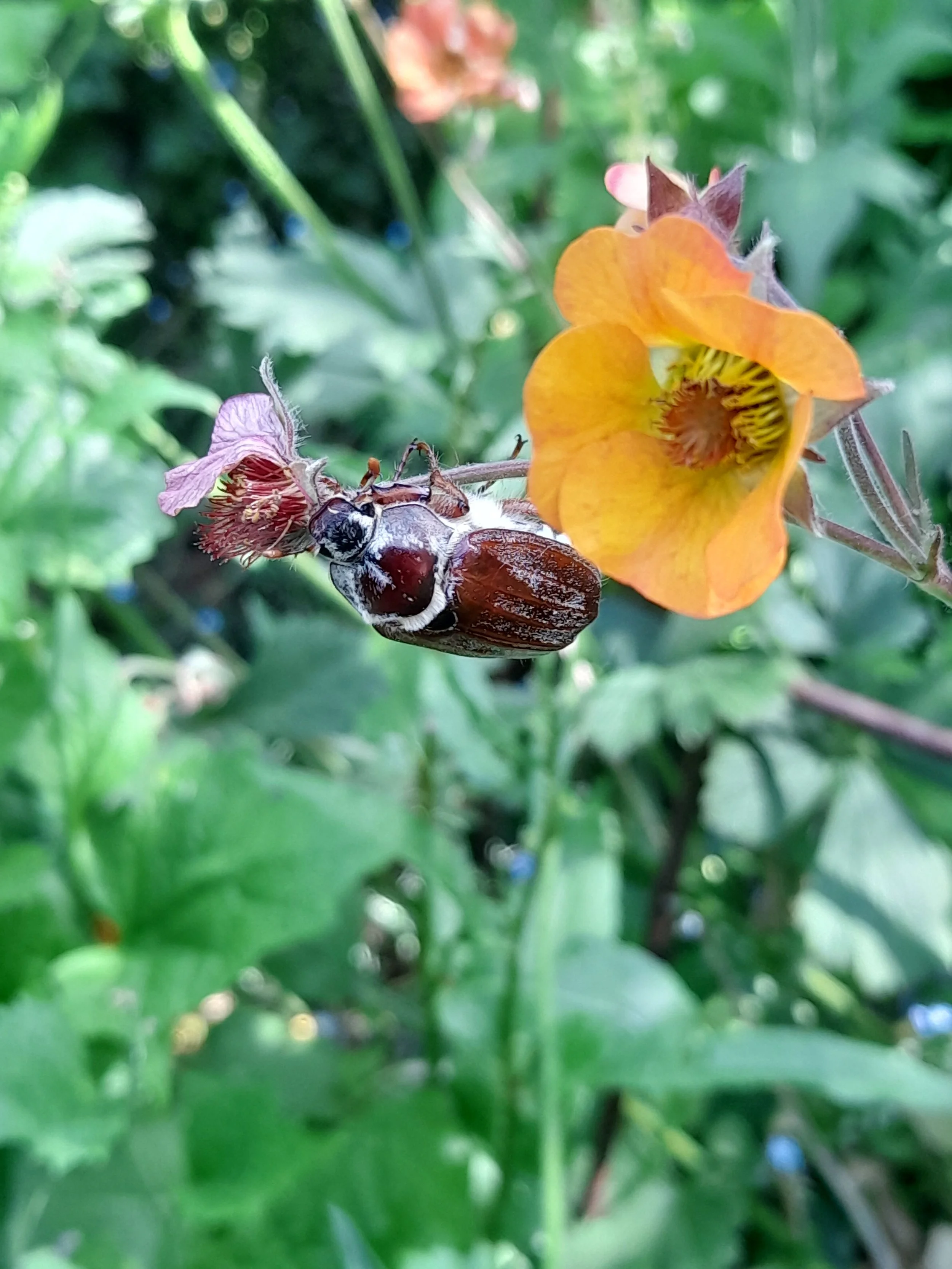
Through thoughtful planting and carefully chosen features, even relatively small gardens can provide valuable habitat for birds, pollinators, amphibians and beneficial insects.
We select plants that are not only excellent garden performers but also valuable sources of nectar, pollen, shelter and food for wildlife. We can also incorporate dedicated wildlife features such as:
• Wildlife ponds and streams
• Pollinator-friendly borders
• Naturalistic planting schemes
• Meadows and woodland-style planting
• Habitat features for birds, insects and amphibians
Tips
Encourage natural pest control
Planting flowers such as marigolds among vegetables and ornamental planting can attract beneficial insects including ladybirds and hoverflies, which help control aphids naturally.
Reduce chemical use
Try to minimise pesticides and artificial fertilisers wherever possible. Many chemicals affect far more than their intended target. Healthy soils, diverse planting and natural balances can often do much of the work for you.
Choose peat-free compost
Peat extraction damages fragile habitats that are extremely difficult to restore. Using peat-free compost — or making your own compost from kitchen and garden waste — is a simple way to garden more sustainably.
Add water to your garden
Even a very small pond can dramatically increase wildlife value. If space is limited, a container pond made from an old sink, trough or watertight container can work beautifully. Include stones or shallow edges so wildlife can climb out safely.
Plant for wildlife
Native trees and shrubs provide important shelter and food sources, while nectar-rich flowers support bees, butterflies and other pollinators. Traditional cottage garden plants often perform particularly well.
Support garden birds
Offering a range of bird foods can encourage greater species diversity. If you own a cat, fitting a bell to its collar may help alert birds.